FOMO Struggle Is Real: How The Best & Brightest SF Singles Are Still Missing Out

The Oxford English Dictionary definition of FOMO [Foe-Moe] is: “Anxiety that an exciting or interesting event may currently be happening elsewhere, often aroused by posts seen on a social media website.”

As an executive coach to some of San Francisco’s most successful young tech entrepreneurs, I help them fight back their FOMO on an hourly basis.FOMO was first identified in the mid-1990s by marketing analysts as an acronym to explain how new media commerce was undermining traditional brand loyalties. Twenty years later, the FOMO phenomenon has infiltrated American culture with ‘choice overload’, impacting how we make decisions in both our personal and professional lives. Particularly in the Francisco Bay Area, where millions of investors come to place their bets on innovative young high achievers, it can be feel like life changing decisions are being made at every turn. Attractive, successful single people are everywhere. The whole world is open to them. Armed with an ample array of talents, access to top social networks for professional and dating opportunities, they just have to choose. But they struggle to do so with any permanency. The FOMO struggle is real.

In Barry Schwartz‘s eloquent Tedx talk “The Paradox of Choice“, he describes how western industrial societies have come to over value choice: “If we are interested in maximizing the welfare of our citizens, the way to do that is to maximize individual freedom. The reason for this is both that freedom is in and of itself good, valuable, worthwhile, essential to being human. And because if people have freedom, then each of us can act on our own to do the things that will maximize our welfare, and no one has to decide on our behalf. The way to maximize freedom is to maximize choice. He goes on to argue that instead of increasing our sense of well-being, an abundance of choice is increasing our levels of anxiety, depression, and wasted time. It leads us to set unreasonably high expectations, question our choices before we even make them, and blame our failures entirely on ourselves.

I help people explore choice overload, the sense of regret from making decisions that lead to less-than-satisfactory outcomes, the cost of having relentlessly high expectations, chronic feelings of disconnection from their current circumstances, and the stagnation that comes from making social comparisons.

Most people have a wide range of professional passions, and are attracted to different types of people with various physical attributes, personal strengths and qualities. The fact remains, there aren’t enough hours in a day to pursue all of them at once. Further, if lasting intimacy is on the goal list, it’s impossible to achieve that type of connection if one never gets beyond the ‘first 5 dates’ lifecycle. In an effort to not miss out, people pursue everything and everyone, and are left wondering why nothing ever evolves. By the time they come to me, they are overwhelmed, frustrated and unfulfilled; they want to pursue success professionally and/or in their dating pursuits, but with less stress and more direction. If you’re reading this, perhaps you can relate.

How can I redirect my thinking to banish FOMO?

Remember: by saying “NO” to some things, you are saying “YES” to other high quality and equally important experiences.

  • Slow down your dating process. By taking the time to get to know one person at a time, you are being thorough in determining if there is genuine potential for a high quality romantic connection, and less likely to ‘let the right one slip by’. Be careful not to rule someone out if a potential red flag crops up. Anyone who’s been happily partnered for years will tell you, unsolvable differences exist between even the very best matched couples.
  • Balance your recreational activities and social plans with proactive self care.  By taking care of your body and mind by engaging in pleasurable, restful and restorative activities, you are shoring up your energy so that when you do engage in an outing that requires elevated energy, you are more likely to have it in store so that you actually enjoy it as it was meant to be enjoyed. Can you really expect to get the most enjoyment out of seeing your favorite musical artist perform live if you’re exhausted, irritable and physically uncomfortable?
  • Pay attention to what you enjoy doing most, and focus your career planning accordingly. Getting in on ‘the next big thing’ and making a lot of money while doing it are cool, I’ll admit. But don’t forget, even if you’re really good at doing something doesn’t mean you’re going to enjoy doing it for the long haul. By choosing to develop your skills and opportunities in a concentrated professional direction that you know you enjoy, you are more likely to reap the benefit of succeeding in that particular vein. If your career journey seems to be evolving more slowly than you’d like, remember, career success is rarely, if ever linear and constant. Genuine growth and success are never free of setbacks. Professional setbacks are opportunities to hone your attention to what is necessary for continued and elevated success.
  • When a choice results in an unexpected and/or poor outcome, don’t automatically think of it as a failure. Thinking “What a waste of time and energy!” keeps you from utilizing that experience in an advantageous way. Without valuing what you learned and integrating this information into your future decisions and endeavors, you miss out on the chance to execute with better aim and more fruitful outcomes. With dating, you may not see patterns in why your relationships end. Consider getting some information from past partners (if still on relatively good speaking terms). Ask them “What was it like to date me? What worked well? What did I do that made it difficult?” Admittedly, this is tough homework. Be sure to clarify you don’t want to rekindle things, you’re there to get information about what role you played in what when wrong, like an aviation black box. There’s a good chance there are some themes in how you behave in relationships that you are not aware of that could help you move forward in creating a healthy and long-lasting romantic relationship.
  • Learn to relish in the choices you DO make, and stop agonizing over the choices you DON’T make. It’s easy to go through life with ‘entree envy’, there are a lot of amazing choices out there! Life however, has a funny way of changing directions for us, outside of our control, and when you least expect it. So enjoy what you can, while you have it.

The one habit keeping you from winning big(ger) in life, and how to change it.

Vulnerability, just ahead.
AP Photo

What keeps you up at night? All of us have something in our life we’d like to see come to fruition. Sometimes we want this thing badly.  It can weigh heavily upon us, especially when we feel it’s just outside of our reach.  Resentment can set in when other people manage to pull it off, seemingly without a hitch. A startup idea that takes off, a well-timed promotion, a romance that seems like the perfect match. ‘Why not me?’ you wonder. ‘What am I missing?’  A common habit stands out among people who struggle to make lasting progress towards their life goals.

They avoid feeling things.

‘Feeling things’ seems kind of like a simple and obvious part of life (doesn’t it?) But it isn’t.

I know you resist feeling things, we all do. It’s an unavoidable habit of modern culture. Any emotion that causes us the slightest displeasure can easily be evaded by numbing our emotions with media, caffeine, booze, retail therapy, recreational drugs like marijuana, Chipotle, to name just a few. If you spend your life constantly avoiding uncomfortable feelings you will remain exactly where you are, but older and likely more bitter (choke back sob) as you see others achieve the things you want all around you.

Opening yourself up to feeling things you most hope to avoid (a.k.a. vulnerability) will afford you the opportunity to make gains in the direction you want most. When Dr. Brené Brown spoke atTEDx about the power of vulnerability in 2010, her viral talk garnered more than 7 million views on TED.com. Dr. Brown says that losing our vulnerability isn’t something to take lightly; vulnerability is power. “Vulnerability is not about fear and grief and disappointment. It’s the birthplace of everything we’re hungry for: joy, creativity, faith, love, spirituality,” she says. “And the whole thing is, there is no innovation and creativity without failure.” The bottom line?

You must be willing to tolerate some emotional discomfort to win big(ger) in life.

Allow yourself to face the prospects of rejection if you want love, mental/physical exhaustion if you want to achieve, disappointment if you want to ‘win’ positive growth and change in your life. Emotional discomfort will not kill you. In fact, without it you’re likely not challenging yourself to reach your full potential. I promise, you will survive feeling emotionally vulnerable. Some tactics for tolerating this discomfort on the path to becoming more awesome:

  • Create incentives for yourself to take emotional risks. Rewards work just as effectively for adults as they do for kids, only you have to enlist yourself with the responsibility of doling them out in an effective manner. Choose wisely, and even if you cheat a little, it feels much better to ‘earn’ something indulgent while making progress towards your goals.
  • You may need to exchange some of your old habits for a healthier list of coping strategies that allow you to feel safe/calm/supported without damaging consequences.
  • Selectively participate in activities that shore up your confidence- put a plan in place to do these things routinely as a coping strategy for surviving disappointments along the way.
  • Enlist others for support! A client of mine shares “weekly wins” with a good friend- they text each other micro successes that occur while making strides towards their goals. This tactic is a win-win because it not only drawing your attention towards the positive, it connects you with someone who’s in your corner, strengthening your courage to keep going.

If we’re going to find the way to our own personal version of success, vulnerability is going to be on that path. As much as we want to remain impervious to failure, growth and positive change don’t happen that way. Even if it were possible to be ‘perfect’ that’s not what draws people to respect and love you. People are most often pulled in to care and invest in you when they can see your courage and willingness to take risks; share that process, and connect with them through common disappointments.

Handle your relationship status like a boss: single, searching or settled

Handle your business.

The New York Times recently published an article titled ‘Line Up, Children, Single File‘, discussing the growing number of families across the United States in which all of the adult children are single. According to a survey released by the Pew Research Center in September, 25 percent of Americans are expected to be single into their mid-40s and mid-50s, and are unlikely to have ever been married. As of 2013, there were over 100 million single people in the country. Of that number, 53 percent were women, and 47 percent were men. Today’s newsfeed on all fronts has no shortage of opinion articles comparing the lifestyles, functionality and happiness of single people versus partnered. The topic remains unavoidable, with various countries taking different stances on their citizens’ marital status and proliferation.

The San Francisco Bay Area is home to men and women of varying ages and cultural backgrounds seeking professional help to figure out “why they’re still single.” Even typing that phrase induces an instant urge in me to clarify: there is no reason to believe something is wrong with you, or your life if you remain single or unmarried until the end of your days. Okay carry on.

Some people remain single as a way to focus on personal goals, explore life’s choices with freedom, and experience a range of romantic undertakings. Undoubtedly, today’s generation of American youth benefit from a longer period of socially acceptable time in which to delay settling down romantically. Even with this cultural shift in marital expectations, many still feel pressured to figure out their romantic future. One young woman’s social media success has spawned from capitalizing on her ‘crazy Jewish mom’s‘ comical text rants about her dating life and overzealous attempts to find her daughter an ideal match. Some of #crazyjewishmom‘s texts to her daughter:

“Happy birthday spawn. Welcome to the wrong side of 25. The expiration date on your eggs is officially in sight. Tick Tock.”

NO RING ON THE FINGER YOU MUST NOT LINGER”

“Exactly how long have you two been dating? I don’t want you to become the girl who stayed too long and then ‘OMG, I’m 40 and I forgot to get married and have babies.’ YOU WILL GIVE ME GRANDCHILDREN.”

This type of societal pressure can fall especially hard upon women.  Many consider freezing their eggs, panicked about their single status and how this may impact the future of their fertility. They speculate: “What if I never find someone I’m attracted to enough to want to marry? I don’t want to end up alone. I have friends who’ve spent years with someone, gotten engaged and then it goes south before they even make it to the alter. Having to start over like that, what a nightmare!”

Men may be concerned that the woman they’re seriously dating or living with “might not be the one.” Guys may not dissect their relationships with their friends the way women do, but they still worry. “There’s this expectation that we get engaged; get married. Her friends, our parents, all expect me to pop the question, but I just don’t know if it’s the right thing for me. Especially right now. Maybe things will change in the future, I don’t know. The pressure to be financially ready feels overwhelming, and I’m I’m not sure if our connection is strong enough to make a marriage work well, or last for that matter. I feel guilty because I care a lot about her, and I don’t want to waste her time. She wants a marital commitment now, and I’m just not there yet.”

Strategies that can help people skillfully maneuver their relationship status, regardless of what direction it takes.

  • Stop overthinking everything. Constantly freaking out about the future or ‘worst case scenario’ will ironically contribute to that scenario unfolding. Whether you’re scared you’ll be #foreversingle or you can’t figure out if you’re with the ‘right person’, focusing your time and attention on that negativity will prevent you from gaining the perspective you’ll need to move forward skillfully and insightfully. Take pause and ask yourself “Am I working myself into tailspin over something that hasn’t even happened yet?” Make a concerted effort to focus on the here and now so you can reflect that reality, instead of a poor outcome that hasn’t even arrived.
  • The first and foremost task of dating someone new (if the goal is developing a committed relationship) is identifying if you can consistently have fun with each other (especially outside of sex) without constant conflict. I cannot underscore the importance of this. It makes zero difference how this person ‘looks on paper’, ‘looks in a bathing suit’ or ‘looks like to your family’ if you cannot get along genuinely and consistently. Does your relationship stand up to what I call the DMV test? Can you see yourself still wanting to spend time with this person, even if it means you’re just waiting with them to take care of their business at the DMV? Would they do this with you; keep you company? Because real life relationships are not constantly filled with a string of fun, well-planned dates. Long-term relationships are filled with real life, which is often a lot of monotonous, draining tasks. Find someone that can make the tasks of real life still fun and enjoyable because the two of you have fun doing them together. If you primarily only enjoy spending time with someone while being sexual, and/or you don’t have many mutual interests outside of the sexual chemistry, accept this relationship for what it is: a great hook up partner. They will likely not fulfill your needs beyond that, and you will drive each other crazy trying to force this relationship into being something that it’s clearly not.
  • If the idea of seeking out couples counseling has come up between you and your partner before you’ve even managed to fully commit, consider this.  Is your relationship mutually satisfying at a near 10 (on the relationship scale, with 10 being total bliss)?  This is a good goal when you decide to fully commit to someone as a life partner. If you can’t get there without enlisting a professional relationship referee, the two of you are likely not a good long term match. Because life will wear the relationship down. (Watch any of Chris Rock’s bits on relationships; his point is, ‘LIFE IS LONG‘. There are no ‘soulmates,’ there are just mates- basically, choose someone you get along with well.) When you decide to settle down with someone, you both should feel like the relationship is strong and solid. Like “we can conquer anything together!” Because over time, difficult and sometimes tragic things can happen. Parenting demands, job loss, health problems, extended family problems, financial strain, poor choices, and mistakes that hurt each other can happen. Eventually, that relationship that was once a 9 or 10 will settle into a pretty decent 7 or 8 on your best to average days. Even if it drops considerably on the worse days, it’s still strong enough to be a tremendous source of support, love, and consistency to weather the long journey of life. If you start out committing to a relationship that at it’s best is a 6 or 7, life can lead that relationship to gravitate consistently into the lower third on the relationship scale. These relationships that dwindle into the 2’s and 3’s during harder times make for a pretty dysfunctional family life.
  • Aim to communicate your feelings with the person you’re dating honestly, even if those feelings are uncertainty about the future, or your ability to further commit. You do not have to know how you’ll feel in the future to be ‘fair’ to your partner. But you should communicate how you’re feeling right now, and give yourself and this person a fair chance to make a decision about how to proceed based on the current climate of the relationship.
  • Lastly, remember that no one’s relationship, regardless of length or marital status is easy all the time. All relationships face challenges and difficult periods. There will be unsolvable differences between you. If you can figure out how to manage these differences respectfully and with the understanding that no one is perfect, you will reap the benefits of all that a loving and long lasting relationship has to offer.


Dr. Villarreal is now offering executive coaching

Dr. Christina Villarreal offers professional support to help you reach your life goals at any stage.  She provides executive coaching and consultation for adults, with specialties in: emotional intelligence, time management/organization, wellness/health management, dating, organizational diversity/cultural awareness, professional business development, peak performance/leadership, creativity/ innovation, and network growth/leverage. Specialization in working with the Bay Area’s tech community, including start-up founders and their employees, executives in finance, design marketing, attorneys and engineers, and wide range of creative professionals.  LGBTQ populations welcome.

How is participating in coaching different than participating in psychotherapy?
Coaching provides a distinct service that helps clients work on their goals for the future, and create a new life path.  The International Coach Federation (ICF), which claims to be the largest coaching credentialing and support organization in the world, defines coaching as “partnering with clients in a thought-provoking and creative process that inspires them to maximize their personal and professional potential. Professional coaches provide an ongoing partnership designed to help clients produce fulfilling results in their personal and professional lives. Coaches help people improve their performances and enhance the quality of their lives. Coaches are trained to listen, to observe and to customize their approach to individual client needs. They seek to elicit solutions and strategies from the client; they believe the client is naturally creative and resourceful. The coach’s job is to provide support to enhance the skills, resources and creativity that the client already has.”
Coaching focuses on the present and the future, with an emphasis on four areas:
  • Defines goals with client
  • Formulates a plan that will use the client’s skills and resources
  • Holds the client accountable for progress with structure, and measures progress
  • Provides hands-on structure, encouragement and support
Psychotherapy focuses on examining the past, seeking solutions to emotional dysfunction, and often includes a clinical diagnosis according to the Diagnostic and Statistical Manual of Mental Disorders (DSM), which is required by insurance companies for treatment purposes.  While psychotherapy is not without treatment goals or supportive professional care, the need for psychotherapy arises from a serious problem needing clinical attention and intervention, focusing on moving people from a state of dysfunction to one of being functional.
PSYCHOTHERAPY
• Deals with identifiable dysfunctions in a person
• Focuses on a person’s past and trauma, and seeks
emotional healing
• Helps patients resolve old pain
• Doctor-patient relationship (therapist is the expert)
• Aims to help regulate client’s dysfunctional emotions
• Therapist diagnoses, then provides professional expertise
to provide a path to healing.
• Progress can be slow and emotionally challenging.
COACHING
• Deals with a healthy client desiring an improved situation
• Focuses primarily with a person’s present life, and seeks to help
them design a more desirable future
• Helps clients learn new skills and tools to build a more
satisfying successful future
• Co-creative equal partnership (coach helps the client
discover own answers)
• Client’s emotional skills are already within the functional range
• The Coach works with the client and helps him or her
identify the challenges, then partners to turn challenges into
successes, holding client accountable to reach desired goals.
• Growth and progress are often immediately measurable.

Dr. Villarreal serves as Social Relationships Expert for girlsaskguys.com

Dr. Villarreal will be serving as a Social Relationships Expert for girlsaskguys.com, a social community website focusing on love, sex and relationships.  Girlsaskguys.com is a platform leveraging the curiosity of an ever expanding social community, in which women and men of varied backgrounds discuss a wide array of lifestyle issues ranging from dating & relationships to fashion & health, by sharing their experiences & opinions to help each other.

The website offers both anonymous users, as well as its members tools to ask questions, share opinions and experiences to help the opposite sex. The website hosts questions asked by males as well. Launched in June 2007 the website has been funded privately; in September 2013 the company raised $1 Million in its first funding round. The website reaches10 million visitors/members every month, with a sizable social media following.  The site has gained widespread international popularity, with EllasSaben.com meeting the demand of Latin America’s Spanish speaking population. Furthermore, kizlarsoruyor.com is one of the most popular social media sites in Turkey, ranked in the Top 5.  Membership to GirlsAskGuys is free. Upon subscription and through site participation members earn points, which later can be redeemed for gift certificates or other exclusive features. Points also allow members to advance levels, which is an indicator of member activity.

grafico (1)

Stop texting and start talking: 5 tips to millennial modern dating

This article was written by (in creative collaboration with) David Zimmerman, who leads business development for Yeti. He’s from Portland, OR, has lived in Denver, Vail, San Francisco, Los Angeles and Spain. David loves to surf, snowboard, hike, golf, cook, and rap. He’s currently residing in LA, but loves getting back to the northwest to spend time with his family.

Hey, what’s up?

The infamous text message sent millions of times daily from couples, friends, and parents around the globe. But what does this message really mean? You might want to know what someone else is doing at that particular moment. You also may have an interest in what’s literally up (the sky), but that’s not likely. The latter, and most complex of the three ideas, is that you’re asking for attention through this message in order to feel loved… but who’s going to admit that?

You may be thinking, “I would never do that, I’m not lonely.” Think again. Have you ever sent a message to your ex saying “hey,” or reach out to a friend through a text saying something like, “what are you doing tonight?” I’m guilty of doing these things, but have come to realization why I do it.  I’m chasing that feeling of connection and closeness with someone that values my attention. By actually saying that you love or miss someone, you are putting yourself in a vulnerable position, and that meaning is so much deeper than a text. We are afraid to be vulnerable, so we reach out our feelers by messaging as many of our contacts as possible when we feel lonely and disconnected… but who’s going to admit that?

While technology has given us the ability to grab the attention of our friends more efficiently than ever, it’s also diluting our message when we do reach out.  We receive texts, chat messages, emails and pings on our social media websites of choice all day every day, but it’s become so easy to ignore them because we feel busy and overwhelmed by the volume of attempts to get our attention.  Facebook invites go unopened, Evites go unseen, and yet we still feel disconnected.  We are losing the ability to enjoy the moment, because we are focused on finding our best options for feeling loved.  

So how do we hit the brakes, and check ourselves before we wreck ourselves?  Stop complaining about the inundation of technology, and choose to do things a little differently. By opting out of ‘the easy way’ we’re actually improving our chances of a real connection.

Try doing things ‘Old School’

I remember standing by my locker in high school, backpack strapped to my right shoulder. The thought of asking a girl out was scary and nerve-racking, but so exciting at the same time. The potential risk of getting shut down made me anxious, but it was worth the risk for the potential reward — putting myself out there and going on a date with an awesome girl I was into. There’s nothing wrong with having those feelings, it’s natural, and it felt real. The culture of texting, social media, and online activity is so commonplace, we’re becoming numb and indifferent about engaging with people in the moment.  Our reluctance to invest in others emotionally is leading us lose touch with the pleasure of building face-to-face relationships based on spontaneous interactions.

How do people date now?

In college, finding a date was pretty easy. You consistently run into the same people on campus, and over a four year period get to know a lot of those people very well. Living in the dorms made this even more simple, because you’re surrounded by peers who are all excited to be living on their own with little to no rules. There’s no one to tell you who you could or couldn’t see, the only thing holding you back was making sure that your roommate wasn’t around when you brought a date back to your room. This scenario was great because you are forced to step outside of your comfort zone, and approach someone that you’re interested in. Even at a bar, restaurant, or class, asking someone on a date was pretty simple.

Now things are a little different. I call this “post-college life.” Many of us are working hard to pursue a career that both pays well and is something we’re passionate it about. One of my best friends from college used to say “you should always work for a company you love, or in a location that you love- if you find both, then you are officially living the dream.”  The older I get, the more true this seems.

Sometimes a job leads us to a new location, or an uncomfortable situation where we feel overwhelmed or out of our element.  With work taking up the majority of our lives, it can be hard to find time to meet new people. The reality is, you have to work at building relationships, and even then, these new relationships take time to turn into gratifying social support.

This may be why the millennial generation enjoys the passive dating/social media scene, using apps like Tinder, Grindr, Hinge, and Grouper to find people who can potentially fill the void of real human connection and belonging. These platforms generally only serve as a short term solution to avoiding the sting of social isolation, rejection and feelings of awkwardness that come with taking social risks. Chivalry doesn’t have to die, gentlemen.  According to Dr. Christina Villarreal, a clinical psychologist who works with a wide range of generation Y folks in the dating scene, women still love to receive sincere compliments, be surprised with thoughtful cards or other personalized gestures, and genuinely feel like they are special to someone.  Men still want to know their attention is being well-received, and that their investment of time and effort will pay off in a relationship that feels rewarding.  That being said, here are five ways to slow things down and make dating more interesting again.

Here are 5 ways to help

  1. No Texting – Try to avoid texting when you first meet someone that you’re interested in. It’s amazing how much a conversation can be misconstrued through a message (even with emojis). By avoiding texting someone every 3 minutes the week after you meet them, you will actually be surprised by things they say, and excited to see them for another date!
  2. Spontaneity – I’ve learned a lot from my mother and sister about how to treat women, and I know they love the serendipity of living in the moment (then again, who doesn’t?). I’m not saying you have to launch elaborate plans every time you see someone you’re interested in, but simply pay attention to their subtle cues to make a positive, meaningful impact. For example, if a girl you like mentions in passing that she loves sorbet (the raspberry, gluten free, Talenti brand), then next time you see her, bring over the freakin’ sorbet. Mind blown.
  3. Forget the phones – Take someone out on a date where you don’t need a phone. Go for a hike, explore new terrain, or drive to a part of town you’ve never been before. Getting lost together can help the two of you bond on a deeper level, by working together to solve a problem. Don’t worry, if you don’t document the entire trip on social media, it doesn’t mean that it didn’t happen.
  4. Pay attention to the non-verbal cues around you – Glances in your direction are happening all around you!  Better yet, try noticing when someone is deliberating over making a selection in a store, this could be an opportunity to share your experience with something, or ask what theirs has been. The goal is engaging for the sake of connection and the potential reward is huge.
  5. Make a habit out of chatting with strangers – Try exchanging a few casual comments with interesting people around you throughout your day.  It only takes a few words to start the ball rolling, but the effect is instant. Suddenly you’ll notice how fostering connections with others in real life feels so much better than another fleeting ‘like’ of your pic, status update, tweet.

Tech in dating: decoding the social rules of text, online dating & social media

Let’s face it: flirting, finding love and managing relationships have always been complicated, but with the involvement of countless forms of technology now impacting every little step of the way, the social rules of love and sex have only gotten more confusing. The role of tech in dating is a primary concern among young singles in the Bay Area of California- the world’s hub and backbone of tech culture. Part of the challenge is decoding and navigating the emerging social rules of text, online dating and social media to help them achieve fulfilling relationships. I recently spoke withTech Crunch journalist Sara Buhr, who was investigating dating trends among people immersed in the tech industry. Some of the questioned she asked of me were: How are the norms and expectations different? Are young men in tech less likely to follow traditional social rules of dating? How has the proclivity toward using dating websites changed the dating game? This article was born from that conversation, and aims to illuminate the challenges of social connection in the 21st century.

So what do we already know? If you want to communicate personally with anyone these days, you’ve got to text them. Casual, easy and non-threatening, text messaging is upending today’s dating culture. The cellphone is the gateway: swiftly and radically changing the way people interact, meet and move forward (or not) in a relationship. According to a report released in 2013 by Nielsen based on actual phone bills of mobile contract subscribers, about 764 text messages per person were sent/received each month in the USA in 2012, compared with about 165 mobile calls per month. A new survey of 1,500 daters provided to USA TODAY reveals how deeply mobile technology has rocked the dating world. The daters, ages 21 to 50, give even greater insight into mobile behaviors and a new range of dating questions: Do you check your phone during a date? How soon must you reply to a text? Should a friend call or text you to see how the date is going?

Among the findings:

•Approximately one-third of men (31%) and women (33%) agree it’s less intimidating to ask for a date via text vs. a phone call.

•More men (44%) than women (37%) say mobile devices make it easier to flirt and get acquainted.

Texting is kind of an ongoing conversation. It does make it easier to flirt. Maybe you’re talking every day,” says Alex Pulda, 27, who works in product research in San Francisco. “It’s not like text conveys a ton of emotion, but you are getting a little more comfortable with each other.” Pulda says he texts for everything, including dates. “I don’t love phone calls,” he says. “They have all the downsides and don’t have the benefit of face-to-face communication. It’s kind of this in-between. And part of it is, it’s a lot more work than a text.”

Millennials’ love of texting is rubbing off on other generations, suggests Naomi Baron, a linguistics professor at American University in Washington who has studied electronically mediated communication in five nations, including the USA. She says telephone calls are often thought of as an intrusion, while texting affords a way of “controlling the volume,” a term she uses to describe the sense of control that text gives users that they can’t get with a voice conversation. “We tell ourselves we don’t want to disturb someone. Sometimes it’s true, but more often, it’s because we can’t get them off the phone,” she says. In texting, “we don’t have to talk to people or listen to what another person has to say. We decide how we want to encounter or whether we want to encounter other people. Technology gives us tools for controlling our relationships.” In the modern world of dating, it’s becoming increasingly difficult to know how our electronic messages are being perceived and paced by others.

It’s not uncommon (and quite the norm) for people to save texts, tweetsstatus updates and Gchats to discuss and analyze amongst their friends. These digital exchanges are often at the root of their increased anxiety and worry, social tension, and depressive symptoms such as decreased concentration and irritability at work and other important areas of functioning. Life coach Debra Smouse explains “when a response [from others] doesn’t come, we begin to worry. When we don’t hear back, our minds start to spiral, creating crazy scenarios and we begin to believe that something is wrong. We know logically that a friend may have left his or her desk or a colleague may be on a call, but when we’re on the other end and stress hits, an unanswered chat box is discomforting, and logic goes out the window.” [Technologies like Gchat] “make us think that because the technology is ‘instant’ and free, people should respond instantly — and there’s something wrong when they don’t,” adds Alex Soojung-Kim Pang, author of “The Distraction Addiction.”

It’s not just the frequency and pace of our electronic messages that are difficult to decipher. The content of these exchanges can also be equally confusing in the context of modern dating (a.k.a ‘hanging out‘), getting to know each other, (a.k.a ‘internet stalking‘) and sex (a.k.a ‘hooking up‘.) Ambiguous, common messages like “what’re you up tonight, anything fun going on?”, “I’m out drinking with some friends if you’re around”, and “hey” are all commonplace in the current dating marketplace, can make it difficult for people to gain traction towards building a committed relationship. The normalization and proclivity toward using dating websites in recent years contributes to a pattern of non-comittal social ties. Mobile apps like Tinderokcupid and plenty of fish supply people with a never-ending source of new social opportunities. The problem is that “young people today don’t know how to get out of hookup culture” Donna Freitas explains, author of the forthcoming book, “The End of Sex: How Hookup Culture is Leaving a Generation Unhappy, Sexually Unfulfilled, and Confused About Intimacy.” “Dodging vulnerability cheats us of the chance to not just create intimacy but also to make relationships work”states Brené Brown, a University of Houston researcher whose work focuses on the need for vulnerability and what happens when we desensitize ourselves to it.

In this light, some people can utilize coaching as a way to build social skills to help them find, evolve and navigate romantic relationships. Dean, a Millennial who writes about her generation (generally born 1982 to 2000) says, “We really see this generation as having a huge handicap in communication. We have our heads down in our smartphones a lot. We don’t know how to express our emotions, and we tend to hide behind technology, computers and social media.” she says. With diminished opportunity for healthy social relationships, this generation is at increased risk for isolation.

Cohabitation: a generational trend that’s here to stay, but does it work?

Image

More and more people are struggling to make their romantic relationship work while cohabiting.  Like many desirable urban areas, Bay Area rent prices continue to soar with no end in sight.  In spite of having well-paying jobs, many young adults are weighed down with hefty student loans, and have learned to enjoy an expensive lifestyle where smartphone bills, an expectation of recreational travel, eating out, and ‘networking over drinks’ are the norm.  Many couples start moving in together in their mid-twenties, reasoning “it’s too early to get married, I need the freedom to make life decisions and consider what’s best for me before settling down” or “we were staying at each other’s places all the time anyway, it made sense to save money on rent and get a place together- living together will give us a chance to see if our relationship will work before making bigger decisions about engagement or marriage.”  Cohabitation among young adults appears to be here to stay, but does it work?

Cohabitation in the United States has increased by more than 1,500 percent in the past half century. In 1960, about 450,000 unmarried couples lived together. Now the number is more than 7.5 million. The majority of young adults in their 20s will live with a romantic partner at least once, and more than half of all marriages will be preceded by cohabitation. This shift has been attributed to the sexual revolution, the availability of birth control, and in our current economy, sharing the bills makes cohabiting appealing.  In a nationwide survey conducted in 2001 by the National Marriage Project, nearly half of 20-somethings agreed with the statement, “You would only marry someone if he or she agreed to live together with you first, so that you could find out whether you really get along.” About two-thirds said they believed that moving in together before marriage was a good way to avoid divorce.  Premarital cohabitation allows couples to experience a “trial run” before making the real commitment of marriage.  Following this logic, those who cohabit before marriage are more prepared for marriage having already lived together, and reducing their risk of divorce.  Research studies have shown however that premarital cohabitation should be considered with caution if marriage is the desired outcome, particularly for serial cohabiters.  “People who live with multiple partners have higher divorce rates. If you’ve only lived with the person you are going to marry, you have no greater chance of getting divorced than a couple who hasn’t lived together” says Sharon Sassler, a professor of policy analysis and management at Cornell University who has extensively studied cohabiters.

Couples who opt to live together before marriage, engagement or otherwise clearcut commitment, tend to be less satisfied with their marriages and more likely to divorce than couples who do not. These negative outcomes are called the cohabitation effect.  Researchers originally attributed the cohabitation effect to selection, or the idea that cohabiters were less conventional about marriage, and therefore more open to divorce. As cohabitation has become a norm, however, studies have shown that the effect is not entirely explained by individual characteristics like religion, education or politics. 

What contributes to the cohabitation effect? 

Relationship inertia.  Some couples who would not (and likely should not) have gotten married do so because they were already living together. The threat of having to separate complicated living arrangements and shared belongings may be enough to keep some couples together.  Some couples may find themselves on a path toward marriage because it seems more palatable than the alternative.

Conflicting agendas.  Researchers discovered that in heterosexual relationships women were more likely to view cohabitation as a step toward marriage, while men were more likely to see it as a way to test a relationship or postpone further commitment.  This gender asymmetry was associated with negative interactions and lower levels of commitment even after the relationship progressed to marriage.  There is a dearth of information on same-sex couples who choose to cohabit; their circumstances should be distinguished from heterosexual couples since same-sex relationships continue to be impacted by discriminatory laws prohibiting same-sex marriage in the United States.

Sunk costs and cognitive dissonance.  How do these concepts apply?  The more time and energy people invest into a relationship the harder it becomes to end the relationship, even if cutting their losses will save them more heartache in the future.  Further, people tend to strive for consistency between their feelings, behaviors and circumstances.  Even if there are plain signs a relationship is no longer rewarding or even functional, living together can lead people to adjust their views so that their current living arrangements continue to ‘make sense’.  

Decreased opportunity to meet other (potentially better suited) partners.  Couples who live together are likely spending more time together, narrowing their exposure to other people who frankly might be a better match, romantically.  Some people end up investing years of their 20’s and 30’s into relationships that might have lasted only months had they not been living together.  


One thing men and women do agree on, however, is that relationship standards for a live-in partner are lower than they are for a spouse.

Young adults in the Bay Area illuminate the dilemma of cohabitation:

“It’s true, I make about 30 thousand dollars more annually than my girlfriend does. But I don’t think I’d be ready to pay more of our bills than she does, unless we were married…but we’re not, we’re living together.”  James, age 29

“My [live-in] boyfriend doesn’t like that I go out and stay out so late drinking with my friends.  It’s like he expects me to stay in, just because he’s tired from working all the time.  Why shouldn’t I go out and have fun with my friends? I think once I’m actually married to him things will be different, I’ll want to do different things when I’m married. I’ll be thinking about having kids, and my friends will be married too.”  Audrey, age 27

“Everything is going really well with my girlfriend, we’ve been living together for almost a year now.  Except she has made it very clear she wants to move back East to be close to her family once she’s married and ready to have kids. Her mind is made up. But my career in tech is growing here, the company I founded is based here in Silicon Valley and my family is here too.  So what should I do doc?  Enjoy our relationship for now since we’re so young? Or break it off now rather than avoid the inevitable?”  Mark, age 26

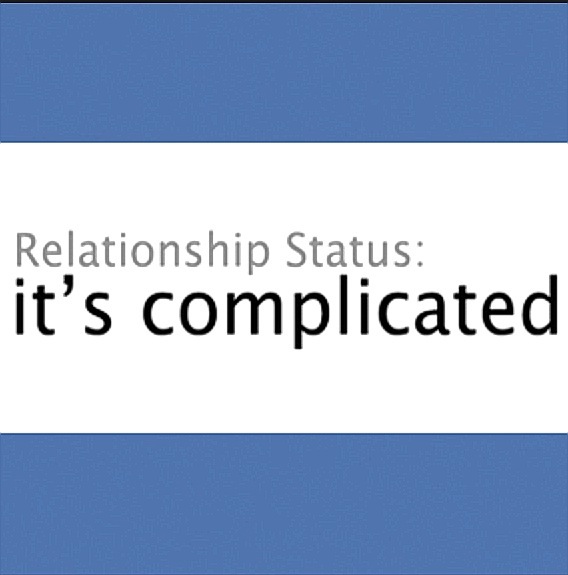
What is the impact of the cohabitation effect on one’s health and wellness?  Dr. Lloyd Stockey, a board certified primary care physician at Kaiser Hospital’s flagship medical center in Oakland, California weighs in on the topic. “[Cohabitation] is like a lease or practicing to see if you really want to commit. Unfortunately, it sets the bar low. There’s no real commitment with living together. It’s an opt out clause, and it’s never equal. It’s a roommate situation after 2 years.  Everyone ‘goes for self’ when cohabiting. Career, freedom, and personal success comes before commitment and family. The younger generation thinks it’s commonplace to upgrade partners, and is satisfied being single parents.  The landscape has changed. There’s blurring in gender roles, household leaders, finances, and expectations. Playing house is exactly what it is. It’s monopoly money. Looks good on paper and everyone is playing, but not worth anything when the game is over.  Codependency and living arrangements cause a majority of adjustment disorders and depression in family medicine. It’s messy in a lot of ways. It’s just like Facebook says–single, married, or it’s complicated.”

The bottom line: cohabitation is here to stay, and there are things young adults can do to protect their relationships from the cohabitation effect. Meg Jay is a clinical psychologist at the University of Virginia and author of “The Defining Decade: Why Your Twenties Matter — and How to Make the Most of Them Now advises – it’s important to discuss each person’s motivation and commitment level before opting to move in together, and view it as an intentional step toward, rather than a convenient test for marriage or partnership. It also makes sense to anticipate and regularly evaluate constraints that may keep people from leaving the relationship.  Couples who communicate openly and regularly will likely reduce ambiguity about their partner’s commitment, and have realistic expectations about the future of their relationship.  Sassler says the takeaway from her research at Cornell is that couples need to talk about situations such as the possibility of pregnancy, whether they’ll split household expenses evenly, and general expectations about gender roles. 

Understanding the role of cohabitation in the success and failure of relationships has far-reaching implications for generations to come.  Recent estimates suggest that about 33% of all children of unwed parents are born to parents in a heterosexual cohabiting relationship, and more than 50% of all children born in the United States will live in a house headed by at least one unwed parent.  Those who contemplate cohabiting can benefit from educating themselves about the benefits and risks, and utilize resources on how to make a smooth and successful transition to cohabitation (couples workshops, relationship books, working with a family/couples therapist).  Whether or not people subscribe to traditional societal expectations for marriage, choose to cohabit or not, my aim for the individuals in my psychotherapy practice is that they become better equipped at participating in happy, functional and rewarding romantic relationships.


Freshman year college survival guide: 20 tips for success

The autumn season for many young people is an exciting time of year. Seniors in high school are excitedly anticipating next steps in their educational paths, contemplating their college selection and admission possibilities. Freshman in college are in the throes of their first term/semester, scrambling to survive and balance their newfound independence, educational demands, and social development.

One of the questions I am asked most often by young people is “How did you make it through college successfully and get in to graduate school? How was it pursuing a Ph.D. in psychology? I also receive emails from young people all over the country hoping I might share with them helpful advice on pursuing graduate school. Many of them do not have role models to approach for guidance, particularly young people of color and/or those who may be the first generation to attend college in their family or community.

An excerpt from a message I recently received:

Dear Dr. Villarreal,
I am a senior in high school in Utah. Since I was in 8th grade I was interested and fascinated with psychology. I am still interested now that I’m a senior. I want to study psychology and I came upon an interview that you did on YouTube and you really stood out to me. I am also a Hispanic female, therefore you were really inspirational to me! I had some questions about how you chose your undergraduate school. This seems to be the only thing I am worried about and I don’t exactly know what I should be looking for. Also, I know that I want to open my own private practice in the future and I wanted to know how you started yours. Thank you so much for you time.

At every step along my journey through college and graduate school I benefited from peers, teachers, and employers who helped guide me towards success and taught me to tap into the essential motivation and stamina it takes to overcome the inevitable challenges, setbacks and failures along the way. According to American College Testing (ACT), one in every four college students leaves before completing their sophomore year and nearly half of all freshmen will either drop out before obtaining a degree or complete their college education elsewhere. The tips in this article serve as a guide to surviving your first year of college with improved odds for success. Developing the right tools, skills, and habits early on can help you not only succeed in college and your future career, but in managing a well-balanced life.

  1. Attend freshman and campus orientations. It is extremely tempting to skip some of the long-winded freshman year orientations that take place at the beginning of the school year. Even if you don’t hear any new information, these gatherings are an excellent opportunity to ask questions, meet other like-minded peers, and commit newly learned information to memory.
  2. Make an effort to befriend roommates and others in your residence hall. The people you live with your freshman year are all likely going through similar transitions and emotions as you, and can be huge source of support as you adjust. This built in network of people serves not only as a team to problem solve day-to-day challenges, but will open up continued opportunities for social support.
  3. Stay on campus as much as possible your first year. Frequent trips home to eat or do laundry, off campus jobs, or maintaining romantic partners from home can stand in the way of fully adjusting to college. The more time you spend acclimating to your campus and new peers, the more comfortable you’ll be in your new environment and the more likely you are to thrive there.
  4. Get organized. In high school, teachers typically lead you through all the homework and due dates. In college, professors hand out a course syllabus and/or post the assignments online for the entire term/semester and expect you to prepare independently. While digital devices are a great way to get organized, maintaining a hard copy calendar is also extremely helpful for mapping out a ‘master timeline’ for completing all your readings, assignments, tests, and other important events. While good grades might have come naturally to you in high school, you will have to develop a new set of organization and study habits to survive your new educational setting.
  5. Become an expert on course requirements and due dates. Professors spend hours preparing course syllabi and calendars so that you will know exactly what is expected of you, and when. One of my most memorable failures (that thankfully I can laugh about now) is when I didn’t realize that a freshman course final exam was only ‘optional’ for those people who’d earned a certain number of points by the end of the semester. Don’t get burned by finding some things out too late!
  6. Commit to a study area and time schedule. With a never-ending calendar of social opportunities, campus events and parties it’s very easy for unstructured ‘study time’ to fall by the wayside. As early as possible, carve out specific times in your schedule to complete your readings and studying. Set realistic deadlines for yourself and stick to them. Choose a place with as few distractions as possible and make a commitment to going regularly. Selecting study partners is also important- decide early on which of your peers are better as study partners and which are better reserved for socializing only.
  7. Seek a balanced life. College life is an ever-changing mix of social opportunities, academic demands, and self-care. Try to prioritize what’s most important to you in advance and then make your choices accordingly. Peers can be extremely influential in your daily habits so try to surround yourself with like-minded people who will help you maintain a balance that’s well-suited to your personality and abilities.
  8. Attend class regularly. Avoid the temptation to sleep in or go late to that 8 am class. Without parents or attendance requirements to keep you on track, it’s a slippery slope when you start giving yourself permission to skip classes. Even if your professor is simply reviewing a powerpoint presentation that is available online, you’ll miss the exposure to auditory learning which will help you perform better on exams and assignments. You also risk missing vital information from professors about what to expect on exams, changes in due dates, etc.
  9. Connect with students in your classes. Aim to meet at least one new person in each of your classes and exchange contact information with them. Everyone appreciates someone else making an effort to say hello, so try to overcome feelings of shyness. These connections will serve as an important resource when you have to miss a class or need to build or join a study group down the road.
  10. Visit your professors during their office hours. Speaking as a professor, I can assure you there are only benefits to getting to know your professors, especially if later in the semester you run into some problems and need to ask for extensions or planned absences. Professors maintain office hours for the sole purpose of meeting with students to help them troubleshoot and succeed in their course.
  11. Meet with your academic adviser at least twice a year. This is the person who will help you with course conflicts, adding and dropping courses, planning out your terms/semesters, and selecting majors and minors and their requirements. Your academic adviser can play an integral role in leading you towards a timely graduation. Don’t be afraid to request another adviser if you don’t click with the one assigned to you.
  12. Don’t feel pressured to decide on a career right away. Even if it seems like everyone else knows what they’re doing with their lives, try to resist committing prematurely to a specific career path if you feel undecided. College is a time for you to explore what you enjoy learning in greater depth. It may take a few different directions before you have a greater sense of how you’d like to spend your time once you graduate. Further, just because it feels like a struggle to succeed in a given area, don’t give up easily. Trust your attraction to a particular area of study. Passion is the fuel for hard work and determination, which will allow you to succeed over time.
  13. Consider joining student organizations. A big hurdle for a lot of new students is the combination of homesickness and a feeling of not belonging, particularly for students of color, sexual minorities and those living far from their regional home. Look into joining student organizations, clubs, sororities or fraternities, or sports teams. You’ll benefit from much needed social support, learn new skills, and feel more connected to your school.
  14. Don’t be afraid to enlist extra help. One of the biggest mistakes students can make is not securing extra help early on, before becoming overwhelmed and lost. Take advantage of the study resources on campus- most have learning labs and tutors available, or consider joining/forming a study group. Don’t feel ashamed for needing extra resources or support. Every successful professional (including myself) got there by adopting a ‘do whatever it takes’ approach to achievement. College is a humbling time for just about everyone at one point or another. Make an effort to shift your focus away from evaluating yourself by the grades you earn. Instead, look for upward growth as a marker of success. My own college transcripts definitely reveal a slow and humble start, with steady improvements along the way.
  15. Stop comparing yourself to everyone else. Everyone learns in different ways, and at different paces. Everyone comes from different backgrounds with a wide range of life experiences, making college easier or harder, depending on their origins. If I’d given up after realizing other people were learning faster than me, or earning higher grades than me, I definitely would NOT have succeeded in earning a Ph.D. I wasn’t the smart kid who earned straight A’s, and I had to work much harder and longer than many of my peers to achieve passing grades. I made a lot of mistakes and faced a fair amount of setbacks along the way. Eventually college got easier, even though the courses got harder because I became more familiar with what study habits worked best for me. In spite of those challenges and setbacks, I continued to pursue my long term goal of earning a Ph.D. in Clinical Psychology. Accept early on that it may take you longer than expected to reach your goals, and the path you take to get there may be different from those around you. Keep asking for help, but be prepared to work harder than others around you if you expect to see successful, competitive results.
  16. Take responsibility for yourself and your actions. Try not to waste time placing blame on others for problems you face along the way. Move on and take the attitude that no one else is worth losing sight of your goals. Part of being an adult means taking responsibility for what happens to you, regardless of how you got there.
  17. It’s normal to feel overwhelmed. College is a time of tremendous change and ongoing challenges. Expect to have moments when everything seems too difficult to continue, or feeling like everyone else seems to be getting along better than you. Take a break and wait for those moments to pass; they will. Just keep moving forward and take one day, one week at a time.
  18. Make time for self care. Be sure to set aside time and activities that help you relax and take the stress out of your day or week. Whether it’s spending time with friends or communicating with family for support, engaging in your favorite type of exercise or hobby, or having downtime watching your favorite television shows or movies, be good to yourself. It will feel like you don’t have time to relax! But by doing so you will recharge and have better focus when you return to your studies.
  19. Maintain healthy eating and sleeping habits. Adequate sleep and nourishment are essential for maintaining your mood and energy level. While college dorms and apartment settings are great places to socialize with your peers, they aren’t always conducive to maintaining good health habits. Make a concerted effort to develop and maintain realistically healthy dietary and sleep habits. Freshman are especially vulnerable to gaining weight from unrestricted junk food and alcohol consumption. Aside from taking a negative toll on your physical health, don’t underestimate how these bad habits can affect your mental health as well. Even if you are the envy of your friends because you’re less prone to alcohol hang-overs or weight gain, poor health habits will eventually take a toll on your mental functioning and consequently your ability to thrive at your highest potential.
  20. Seek professional help when you need it. Familiarize yourself with your college’s health resources and counseling centers. If you become sick, or notice ongoing feelings of isolation, anxiety or depression, don’t wait for things to worsen before taking advantage of the many services these offices provide for students. You don’t have to face these issues on your own. Consider asking a friend to go with you if you feel reluctant to go alone or offer to go with a peer who may be struggling. Keep a list of emergency hotlines for handling crises such as experiencing suicidal thoughts, sexual violations or violence.

BONUS TIP: Keep track of your spending habits. While a fortunate few of you will have adequate financial support during your college years, many of you will need to learn how to budget your money and spending habits early on. Regardless of your financial resources, it’s important to develop responsible skills in money management- the earlier the better. Avoid succumbing to credit card solicitations on campus or in the mail. The average credit card debt of college graduates is shocking, and can take a staggering number of years to pay off. Familiarize yourself with what options you have in your college’s financial aid center, and plan accordingly.

Final Words of Advice for College Students~ Your college years will fly by before you know it.  Try to hold on to the positive experiences and let go the hardships. Invest in healthy relationships and avoid negative people that can drain you, stress you out, pressure you, or demand more of you than you can afford to give. Don’t be afraid to try new things, go new places, or take new risks! Some of the best experiences I had were the result of taking a leap of faith in myself and my ability to figure something out after the decision/commitment was already made. Roll the dice and bet on yourself to succeed, even if the odds are seemingly stacked against you. Remember that setbacks are NOT failures, they are extended opportunities to learn and grow in new ways. Furthermore, what you learn from those setbacks will prove to be the backbone of your strength and abilities later in life. Forgive yourself for making mistakes. No one else is keeping track like you are; as soon as you get back on the right path, those incidents will fade away as you continue to accrue new achievements. I look forward to hearing your success stories!

Black Swan- a cinematic portrayal of schizophrenia?


The highly acclaimed psychological thriller “Black Swan,” directed by Darren Aronofsky and starring Natalie Portman, Mila Kunis and Winona Ryder, is a fascinating story of a young ballerina’s emotional plight in the competitive world of professional ballet. Portman plays Nina, a principal ballerina for the NYC Ballet Company who has newly acquired the lead in Swan Lake, a classic story depicting the virgin/whore dichotomy that men face when choosing a lover. Nina is overshadowed by her controlling and emotionally abusive mother (played by Barbara Hershey) who is convinced she “gave up” her career for parenthood. The film brilliantly captures the brutal physical and emotional demands that ballerinas face in their short-lived career span.

Aronofsky clearly enriches the film with a storyline that points to Nina’s first psychotic break, likely triggered by a combination of her genetic heritability, childhood experience of abuse, age, and the heightened environmental stress placed upon her as principal ballerina.  I am often fascinated by clinically accurate depictions of mental illness. While Black Swan appears to be a loose cinematic portrayal of the onset of schizophrenia, it likely leaves untrained viewers confused about the diagnostic details of schizophrenia. This article serves to explain schizophrenia and it’s diagnostic criteria and known causes.

Contrary to popular belief, schizophrenia is not a split personality, (professionally referred to as Dissociative Identity Disorder.) Schizophrenia is actually a psychosis, a type of mental illness in which a person cannot tell what is real from what is imagined. At times, people with psychotic disorders lose touch with reality. The world may seem like a maze of confusing thoughts, images, and sounds. The behavior of people with schizophrenia may be very strange and even shocking. A sudden change in personality and behavior, which occurs when people lose touch with reality, is called a psychotic episode.

Schizophrenia is a disease that typically begins in early adulthood; between the ages of 15 and 25. Men tend to get develop schizophrenia slightly earlier than women; whereas most males become ill between 16 and 25 years old, most females develop symptoms several years later, and the incidence in women is noticably higher in women after age 30. The average age of onset is 18 in men and 25 in women. Schizophrenia onset is quite rare for people under 10 years of age, or over 40 years of age.

Schizophrenia varies in severity from person to person. While some people experience a single psychotic episode, others have many throughout their life. Some lead relatively normal lives between episodes and others suffer tremendously and remain unstable. Schizophrenia symptoms seem to worsen and improve in cycles known as relapses and remissions.

What are the different types of schizophrenia?

* Paranoid schizophrenia: People with this type are preoccupied with false beliefs (delusions) about being persecuted or being punished by someone. Their thinking, speech and emotions, however, remain fairly normal.
* Disorganized schizophrenia: People with this type often are confused and incoherent, with nonsensical speech. Their outward behavior may be emotionless/flat, inappropriate, silly or childlike. Often they have disorganized behavior that may disrupt their ability to perform normal daily activities like showering or preparing meals.
* Catatonic schizophrenia: The most notable symptoms of this type are physical. People with catatonic schizophrenia are generally immobile and unresponsive to the world around them. Their bodies are often very rigid and stiff, and unwilling to move. Occasionally, these people have peculiar movements like facial grimacing or strange postures. Or, they might mimic a word or phrase just spoken by another person. People with catatonic schizophrenia are at increased risk of malnutrition, exhaustion, or self-inflicted injury.

What Causes Schizophrenia?

The exact cause of schizophrenia is not yet known. It is known, however, that schizophrenia — like cancer and diabetes — is a real illness with a biological basis. It is not the result of bad parenting (i.e. the ‘schizophrenogenic mother‘ or personal weakness. Researchers have uncovered a number of factors that appear to play a role in the development of schizophrenia, including:

1. Genetics (heredity): Schizophrenia tends to run in families, which means the likelihood to develop schizophrenia may be passed on from parents to their children.
2. Brain chemistry: People with schizophrenia may have an imbalance of certain chemicals in the brain. They may be either very sensitive to or produce too much of a brain chemical called dopamine. Dopamine is a neurotransmitter, a substance that helps nerve cells in the brain send messages to each other. An imbalance of dopamine affects the way the brain reacts to certain stimuli, such as sounds, smells, and sights and can lead to hallucinations and delusions.
3. Brain abnormality: Newer research has found abnormal brain structure and function in people with schizophrenia. However, this type of abnormality doesn’t happen in all schizophrenics and can occur in people without the disease.
4. Environmental factors: Evidence suggests that certain environmental factors, such as a viral infection, poor social interactions, or highly stressful situations, may trigger schizophrenia in people who have inherited a tendency to develop the disorder. Schizophrenia more often surfaces when the body is undergoing hormonal and physical changes, such as those that occur during the teen and young adult years.

How Is Schizophrenia Diagnosed?

If symptoms of schizophrenia are present, a physician will perform a complete medical history and physical exam. While there are no laboratory tests to specifically diagnose schizophrenia, a physican may use various tests, such as X-rays and blood tests, to rule out a physical illness as the cause of the symptoms.

If a physican finds no physical reason for the schizophrenia symptoms, he or she may refer the person to a psychiatrist or psychologist- mental health professionals who are specially trained to diagnose and treat mental illnesses, and use specially designed interview and assessment tools for their evaluation. The therapist bases his or her diagnosis on the person’s report of symptoms and his or her observation of the person’s attitude and behavior, and may include interviews with family members. A person is considered to have schizophrenia if he or she has characteristic symptoms that last for at least six months.

Can Schizophrenia Be Prevented?

There is no known way to prevent schizophrenia. However, early diagnosis and treatment can help avoid or reduce frequent relapses and hospitalizations, and help decrease the disruption to the person’s life, family, and friendships.

Sources: Webmd.com, psychcentral.com, imdb.com